Download Brochures
We have facility to produce advance work various industrial applications based on


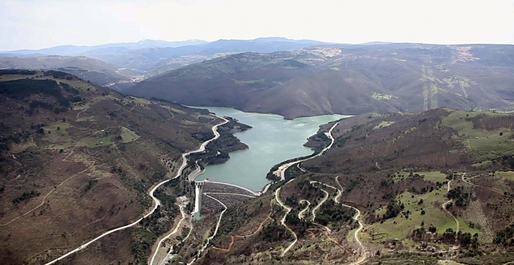
In order to solve the taste and odor problem in drinking water, the source(s) of the problem must first be correctly identified. There are three main points where taste and odor can occur in drinking water from the water source to the consumer tap: Reservoir (Dam lake), Water treatment plant and Water distribution network. While trying to reduce the taste and odor problem caused by reservoirs with basin protection measures, solutions that can increase the removal efficiency of compounds that cause taste and odor problems in water treatment plants are being developed (such as the integration of advanced oxidation process into the existing system or the addition of powdered activated carbon), on the other hand, the taste and odor problem occurring in the network is being developed. The source is being investigated. The taste and smell occurring at different points arise from some biological and/or anthropogenic sources. Algae (cyanobacteria) and actinomycetes (filamentous bacteria), the main biological sources, are known to be potential producers of some taste and odor compounds and toxins, such as 2-MIB (2-methylisoborneol) and geosmin, which give water an earthy and musty taste. Dissolved 2-MIB and Geosmin can be detected by humans even at concentrations below 10 ng/L. On the other hand, some anthropogenic organic and inorganic compounds (some metals such as iron and manganese, halogens, aldehydes and ketones) cause pungent and rotten odors in water.
We have facility to produce advance work various industrial applications based on